North Carolina homeowners can keep their household appliances looking and working like new through regular cleaning, preventive maintenance, proper usage, and timely repairs. Simple habits such as cleaning refrigerator coils, removing dryer lint, checking washing machine hoses, and maintaining appliance surfaces can improve performance and reduce avoidable breakdowns.
From preserving a modern kitchen’s appearance to extending the lifespan of essential equipment, appliance care combines practicality with aesthetics. When mechanical or electrical problems develop, appliance repair in NC (know more) can help diagnose underlying issues and restore appliances to reliable working condition.
Why Is Regular Appliance Maintenance Important?
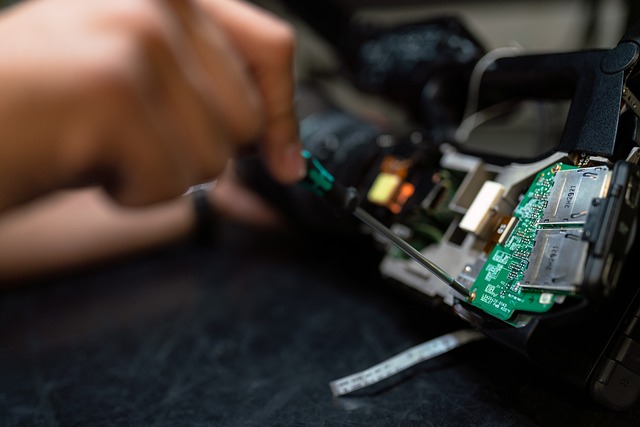
Regular appliance maintenance helps maintain efficiency, minimize unexpected breakdowns, and preserve the appearance of household equipment.
Refrigerators, washing machines, dishwashers, dryers, and ovens experience daily wear. Without appropriate care, dirt, grease, moisture, and worn components can contribute to performance problems.
Routine maintenance offers several benefits:
- Better performance: Clean components help appliances operate as intended.
- Longer lifespan: Preventive care can reduce unnecessary wear.
- Lower repair costs: Identifying minor problems early may prevent more expensive damage.
- Improved appearance: Clean surfaces preserve the original finish.
- Energy efficiency: Proper maintenance helps prevent avoidable energy waste.
For North Carolina households, maintaining appliances is especially useful during periods of heavy seasonal use.
How Can You Keep Your Refrigerator Looking and Working Like New?
Keeping a refrigerator in good condition requires proper cleaning, temperature control, and adequate ventilation.
According to the U.S. Food and Drug Administration, refrigerators should maintain temperatures at or below 40°F (4°C), while freezers should remain around 0°F (-18°C).
Homeowners should regularly clean interior shelves, inspect door seals, and avoid blocking ventilation openings.
Refrigerator condenser coils should also be cleaned when recommended by the manufacturer.
For exterior maintenance, use a soft microfiber cloth and a cleaning product suitable for the appliance’s finish.
Avoid abrasive cleaners that can scratch stainless steel or damage protective coatings.
If the refrigerator repeatedly struggles to maintain safe temperatures, professional inspection may be necessary.
What Is the Best Way to Maintain a Washing Machine?
Washing machines require regular drum cleaning, proper detergent usage, and periodic inspection of water connections.
Detergent residue, fabric fibers, and trapped moisture can create unpleasant odors and interfere with washing performance.
To maintain a washing machine:
- Run the manufacturer-recommended cleaning cycle.
- Clean detergent dispensers and accessible filters.
- Inspect water supply hoses for leaks or deterioration.
- Avoid overloading the washing drum.
- Use the recommended quantity and type of detergent.
Front-loading washer owners should also clean door gaskets and allow moisture to evaporate after washing.
Unusual vibration, incomplete drainage, or repeated error codes may indicate a problem requiring washer repair.
How Do You Maintain a Dryer’s Performance and Appearance?
Dryer maintenance involves controlling lint accumulation, maintaining proper ventilation, and avoiding excessive loads.
Lint buildup can restrict airflow, increase drying times, and create a potential fire hazard.
Homeowners should clean the lint filter after every drying cycle and arrange for dryer vent inspections and cleaning as needed.
Other maintenance practices include wiping the drum, checking exterior vent openings, and ensuring the dryer is installed correctly.
If clothes remain damp after repeated cycles, the problem may involve restricted airflow, heating components, moisture sensors, or another mechanical issue.
How Can You Protect the Appearance of Kitchen Appliances?
Protecting appliance surfaces requires using appropriate cleaning methods and avoiding cosmetic modifications that interfere with normal operation.
Stainless steel, painted metal, glass, and plastic surfaces have different cleaning requirements.
For example, stainless steel appliances generally benefit from gentle cleaning with a microfiber cloth and manufacturer-approved products.
Homeowners interested in kitchen aesthetics may also consider decorative appliance wraps or professionally applied finishes.
However, decorative materials should never cover ventilation openings, warning labels, controls, or surfaces that become hot during operation.
Avoid painting electrical components or modifying appliance housings without manufacturer guidance.
A visually appealing appliance should remain safe, accessible, and properly ventilated.
Does North Carolina’s Climate Affect Household Appliances?
North Carolina’s seasonal heat and humidity can influence household appliance operating conditions, especially in poorly ventilated areas.
High surrounding temperatures may increase the workload on refrigerators and freezers. Excess moisture can also contribute to condensation and unpleasant odors in appliances that retain water.
Homeowners should maintain appropriate indoor conditions, provide sufficient appliance ventilation, and avoid installing equipment in unsuitable locations.
For appliances located in garages, laundry rooms, or other spaces with changing temperatures, following manufacturer installation guidelines is particularly important.
Not every appliance is designed for extreme ambient temperatures.
When Should North Carolina Homeowners Schedule Appliance Repair?
Professional appliance repair is recommended when an appliance develops persistent performance problems, unusual noises, leaks, or electrical faults.
Common warning signs include:
- Refrigerators failing to maintain safe temperatures
- Washing machines leaking or failing to drain
- Dryers producing insufficient heat
- Dishwashers leaving standing water
- Ovens heating unevenly or failing to reach the selected temperature
- Appliances repeatedly displaying error codes
These symptoms can result from different component failures, making accurate diagnosis important.
Homeowners should avoid attempting complex electrical or mechanical repairs without appropriate training.
An appliance producing smoke, sparks, or a burning smell should be stopped and evaluated before further use.
Is Repairing an Appliance Better Than Replacing It?
Repairing an appliance may be worthwhile when the equipment is relatively new, replacement parts are available, and the repair cost is reasonable.
Replacement may be more practical when an appliance experiences repeated major failures or requires repairs approaching the cost of a comparable new model.
Homeowners should consider appliance age, energy efficiency, warranty coverage, and overall condition.
Cosmetic damage alone does not always justify replacing a properly functioning appliance.
Final Thoughts
Keeping household appliances looking and working like new requires a combination of consistent cleaning, sensible operating habits, and timely maintenance.
For North Carolina homeowners, protecting appliance surfaces, maintaining ventilation, monitoring performance, and addressing warning signs early can help preserve both appearance and functionality.
With proper care and professional repair when necessary, household appliances can remain dependable, attractive, and efficient for years.