When homeowners think about furnace placement (get more info), they usually focus on heating performance, energy use, and access for repairs. What often gets overlooked is how the location of a furnace, vents, and return-air grilles can affect wall art, furniture, and other home decor.
For Fallbrook homeowners, this can matter more than expected. Even though the area has a relatively mild climate, furnaces are still used during colder periods. Warm air, dry indoor conditions, dust, and repeated temperature changes can all affect the way certain decorative items age over time.
Understanding how your heating system interacts with your home can help you protect both comfort and decor.
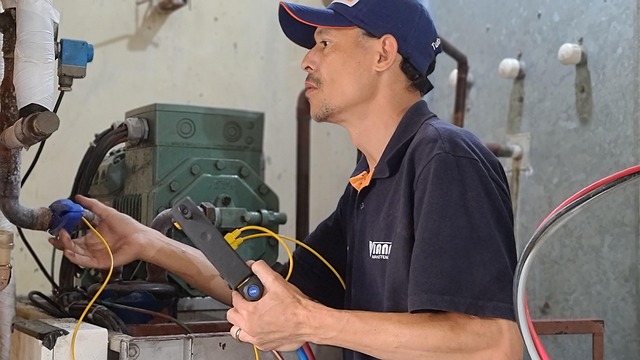
Furnace Placement Affects Airflow Throughout the Home
A furnace does more than produce heat. It pushes warm air through ductwork and into rooms through supply vents.
Where those vents are located can influence which walls, furniture pieces, and decorative items receive the most direct airflow.
For example, a framed painting placed directly above a heating vent may be exposed to repeated warm air every time the system turns on. Over time, that can create small temperature changes around the artwork.
The furnace itself may be located in a garage, utility closet, attic, or another part of the property, but the real impact on decor usually comes from the location of the vents connected to it.
Direct Heat Can Be Hard on Certain Artwork
Not all wall art responds to heat in the same way.
Canvas prints, oil paintings, wooden frames, photographs, and paper-based artwork can react differently to temperature changes.
Repeated exposure to warm air may contribute to:
- drying of wooden frames
- warping of certain materials
- fading over long periods
- cracking in older painted surfaces
- curling or distortion of paper artwork
This does not mean you need to remove every piece of art near a vent. It simply means you should avoid placing delicate or valuable items directly in the path of strong heated airflow.
Keep Wall Art Away From Supply Vents
One of the easiest ways to reduce unnecessary heat exposure is to pay attention to supply vents.
These are the vents that blow conditioned air into the room.
If possible, avoid hanging sensitive artwork immediately above or directly beside them.
This is especially important for:
- original paintings
- antique frames
- photographs
- paper prints
- handmade textiles
- wood carvings
Decorative pieces made from more durable materials may be less sensitive, but even then, keeping some distance from direct airflow is usually a good idea.
Return Vents Matter Too
Return-air vents do not blow hot air into the room. Instead, they pull indoor air back toward the heating system.
Because of this, homeowners sometimes cover them with furniture, wall decor, or decorative screens.
That can create problems.
Blocking a return vent can reduce airflow and make the heating system work harder than necessary. It can also contribute to uneven heating throughout the home.
When planning your decor, make sure return vents remain open and unobstructed.
A large cabinet, sofa, or decorative wall panel placed directly in front of a return vent may affect system performance.
Furnace Problems Can Increase Dust Around Decor
A properly functioning heating system should move air efficiently through the home.
However, dirty filters, duct problems, or airflow issues can sometimes contribute to noticeable dust around vents and nearby surfaces.
Wall art, shelves, picture frames, and decorative objects near supply vents may collect dust faster than items in other parts of the room.
Regular filter replacement and furnace maintenance can help reduce unnecessary dust circulation.
If you suddenly notice more dust than usual around your vents, it may be worth checking the filter or having the system inspected.
Uneven Heating Can Affect Different Rooms Differently
Not every room in a home receives heat evenly.
Some rooms may become much warmer than others because of duct layout, insulation, vent placement, or furnace performance.
This matters if you keep valuable artwork or temperature-sensitive decor in a particular room.
For example, one wall may receive direct afternoon sunlight while also sitting near a heating vent. That combination can create larger temperature changes than another part of the home.
If one room consistently feels too hot or too cold, the issue may involve airflow rather than the furnace itself.
Decorative Furniture Should Not Block Furnace Access
If your furnace is located inside a utility closet or indoor mechanical room, avoid placing decorative furniture in a way that makes the unit difficult to access.
Technicians need enough room to inspect, service, and repair the equipment safely.
Storage boxes, shelves, artwork, or furniture placed directly around the furnace can make routine maintenance more difficult.
Keeping the area clear also makes it easier to notice unusual noises, leaks, or other warning signs.
Watch for Changes in Your Decor
Sometimes your home decor can reveal clues about heating problems.
You may notice:
- dark dust marks near vents
- excessive dryness
- warped wooden pieces
- uneven temperature across rooms
- rattling frames when the furnace runs
These signs do not automatically mean the furnace needs repair, but they can point to airflow or maintenance issues worth investigating.
Furnace Repair in Fallbrook Can Help Restore Proper Airflow
If your furnace is producing uneven heat, making unusual noises, cycling too often, or struggling to maintain the temperature you set, the problem can affect more than comfort.
Poor airflow and inconsistent heating may also change how different parts of your home environment feel over time.
Professional furnace repair in Fallbrook can help identify problems involving filters, blowers, thermostats, ductwork, ignition systems, and other components that influence heating performance.
Restoring proper airflow can help keep indoor temperatures more consistent and reduce stress on the heating system.
Protect Your Comfort and Your Decor
Your furnace and your home decor may seem unrelated, but they share the same indoor environment.
Heat, airflow, dust, and temperature changes can all influence how certain materials age.
By keeping artwork away from direct heating vents, avoiding blocked return vents, maintaining clear access around the furnace, and addressing heating problems early, Fallbrook homeowners can protect both their comfort and their interiors.
A few small adjustments in furniture and wall-art placement can make a noticeable difference without changing the overall look of your home.